


Improving Data Collection Efforts Through VR Training
As a Power Systems Engineer performing hundreds of flash hazard studies, the most difficult task from where I am sitting (typically at my desk) is obtaining all of the necessary data. It is not always clear to field personnel why so many details are required. It is also not always clear to field personnel where the information is located and how to obtain that information.
And not only that, but the time and energy required for data collection is a significant portion of an arc flash study and can take up to half of the overall study effort, especially if the study is being performed on an existing facility. According to Jim Phillips, P.E., about 2/3 of consultants surveyed spend anywhere from 40-60% of their efforts performing the data collection portion of an arc flash hazard study.
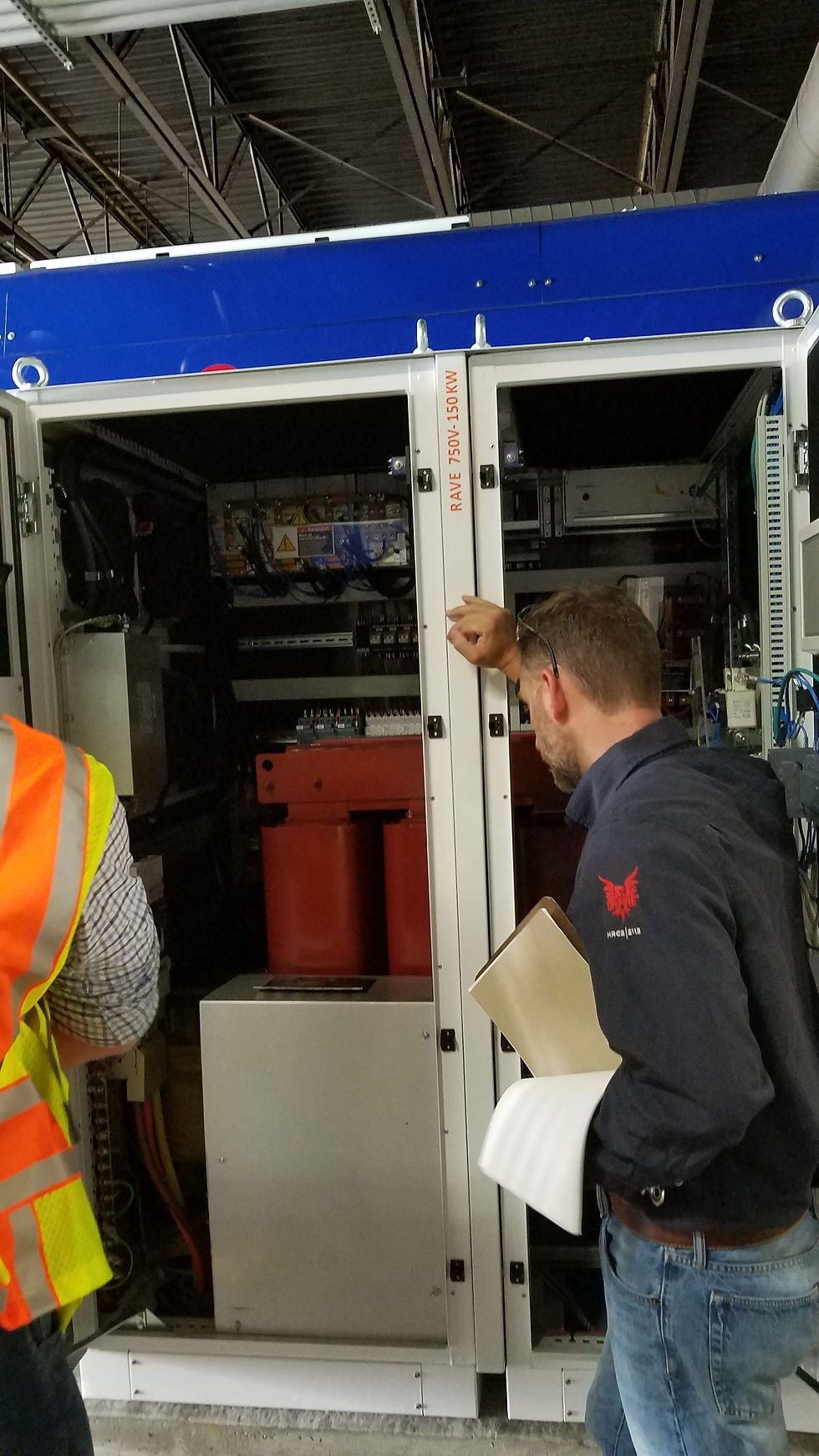
The process of data collection must begin with a review of existing one-line diagrams to understand the overall system layout and to determine the exact scope of the data collection. All primary and alternate utility feeds should be accounted for along with any backup or emergency generating sources.
The nameplate data for all generators, transformers, larger motors, switchgear and similar equipment will need to be obtained. The nameplate data will contain information such as: voltage ratings, ampacities, interrupting current ratings, configurations, impedances, and reactance data.
For conductors and cabling, the power system studies will require specific details including insulation type, feeder lengths, sizes, quantity per phase, conduit material and routing methods. This information is important since the cabling provides a substantial amount of the system impedance.
The necessary data for protective devices like circuit breakers, relays and fuses will include manufacture, catalog #’s, frame ratings, plug ratings, and all settings. These settings may be as simple as an instantaneous trip setting or may be as complicated as a solid-state circuit breaker having adjustable long-time and short-time settings along with ground fault and maintenance mode settings.
The implementation of VR (virtual reality) training content to complement standard classroom training would be extremely beneficial for helping qualified electrical workers understand what type of information is needed for power system studies and how to locate that information. This training would not necessarily require the expense and hassle of being face-to-face with a trainer or in a formal classroom setting but could be performed at the convenience of the qualified electrical worker.
This training content would ensure that workers are familiar with the following items and equipment: transformers, cables, busway, switchgear, switchboards, panelboards, circuit breakers, fuses, protective relays, generators, disconnects, motors and ATS’s. Combined with safety training, it would also ensure that field personnel performing data collection will be able to do so in a safe, efficient and effective manner.
References:
https://brainfiller.com/videos/arc-flash-study-data-collection-effort/
IEEE 1584-2018 Section 6.2
Comments